If you want to stay under $500
Espresso machines under $500
Four espresso machines compared by heating, portafilter, tank, footprint and warranty.
Reviewed Oct 2026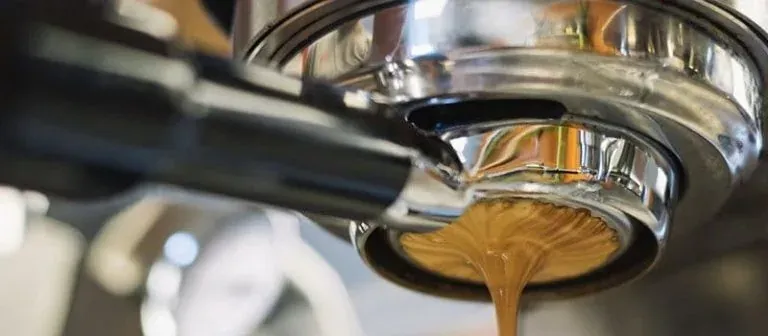
Last updated
Espresso is a small, concentrated coffee made by forcing hot water under pressure through a compact bed of finely ground coffee. The word describes both a brewing method and the drink it produces. Espresso also provides the coffee base for milk drinks such as lattes and cappuccinos.
Start with the preparation basics, then choose equipment and recipes that fit your routine.
Guides compared from manufacturer documentation. How I research →
If you want to stay under $500
Four espresso machines compared by heating, portafilter, tank, footprint and warranty.
Reviewed Oct 2026If you want the overview first
Six home espresso machines compared, plus the factors that matter most when choosing.
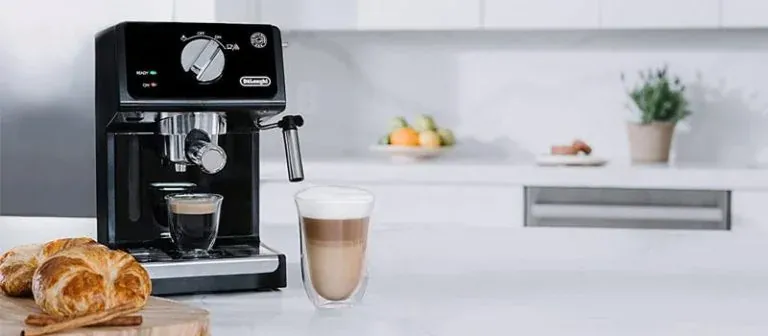
If you can spend up to $1,000
Espresso machines for a budget up to $1,000, compared side by side.
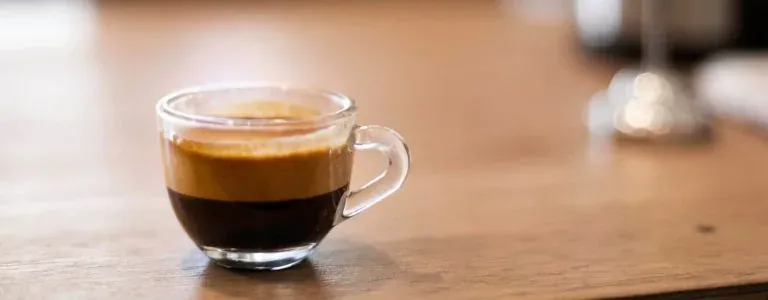
If you want bean-to-cup automation
Fully automatic machines compared, and how they differ from semi-automatics.
If you prefer Italian brands
Machines from Italian brands and what defines an Italian espresso maker.
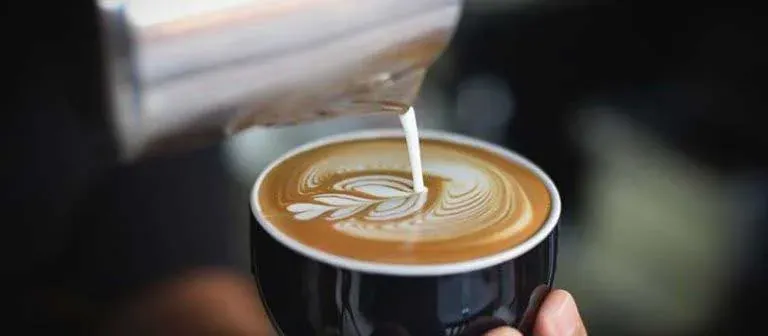
If you mainly drink cappuccino
Machines for milk drinks, compared side by side.
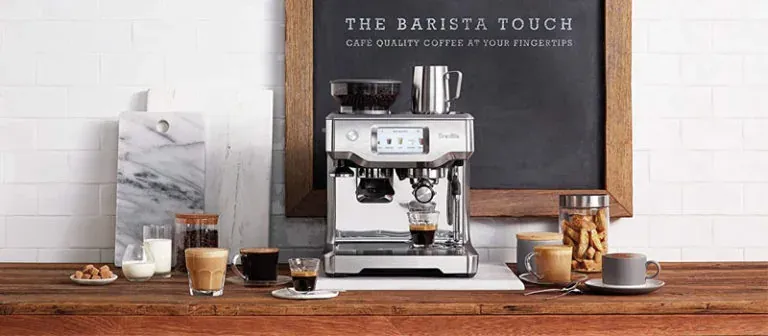
If you want one-touch milk drinks
How latte machines differ from regular espresso machines, compared side by side.
Model guides: Breville Bambino Plus · Gaggia Classic · Jura E8
Espresso is concentrated coffee made by forcing water through a compact bed of finely ground coffee under pressure. The word describes the resulting beverage as well as the preparation method. It is not a particular bean or roast: the equipment, coffee preparation and brewing recipe work together. The National Coffee Association’s espresso guide explains the method and different machine workflows.
Regular filter coffee follows a different route. Water passes through a bed of grounds and a filter without an espresso machine’s pressurized brewing process. Both methods extract roasted coffee into water, but the preparation and finished drink differ. Choosing between them starts with the drink you want and the routine you are willing to follow, rather than a claim that one method is always better.
Dose is the amount of dry ground coffee in the basket. Yield is the amount of beverage collected, and brewing time records how long the extraction takes. Keeping these observations together gives a recipe context that a shot’s appearance alone cannot provide. The Specialty Coffee Association’s discussion of espresso practice describes measured brewing practices and their variation, rather than a universal prescription for every machine and basket.
Start with the machine and basket instructions. Record the recipe before making an adjustment, then change one variable at a time so the comparison remains useful. A grind change, a different dose and a different stopping point can otherwise become tangled together. An instruction for a different basket is not automatically the right operating procedure for yours.
A pump-pressure figure in a product specification does not by itself establish the pressure at the coffee bed or prove better coffee. Look at the complete preparation system and the controls available for the recipe you intend to use. Crema is also only one observation; its presence alone does not establish flavor quality or freshness.
Manual, semi-automatic and bean-to-cup labels describe different workflows, but the exact model matters. Some machines automate more of the coffee preparation; others leave grinding, dosing, tamping and stopping the shot to the user. Milk controls are a separate consideration: an automatic coffee function does not necessarily mean automatic milk texturing. Read the model’s operating instructions before assuming a category label covers every step.
A moka pot makes a concentrated, espresso-like coffee using a different brewing process. It is not interchangeable with an espresso machine, and its instructions should not be borrowed for espresso equipment. Decide whether you want moka coffee, filter coffee or machine espresso before comparing accessories. Milk drinks then build on the chosen coffee base; their recipes vary in the amount and texture of milk added.
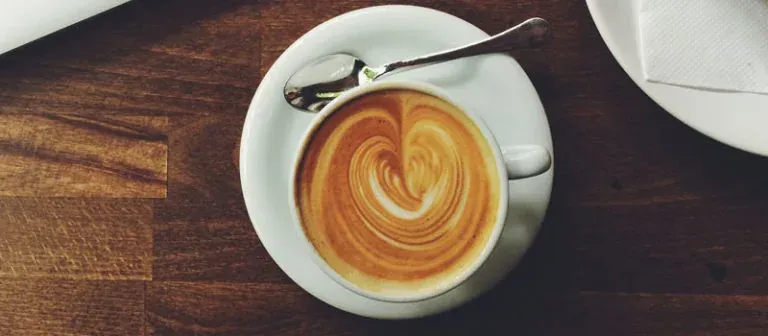
Five steps from beans to shot, plus alternatives without a machine.
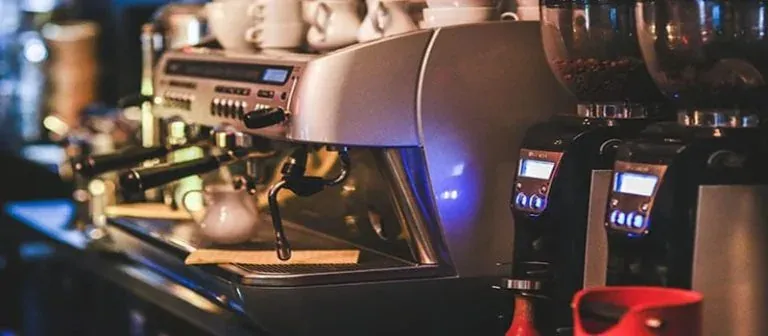
Controls, grinding, tamping, pulling a shot and steaming milk.
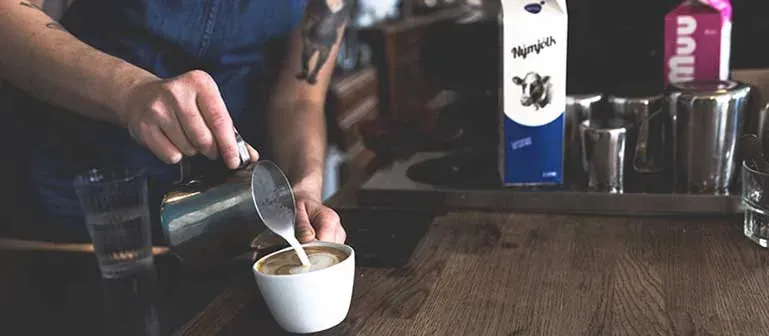
With a steam wand or without a steamer.

A simple latte recipe and a few variations.
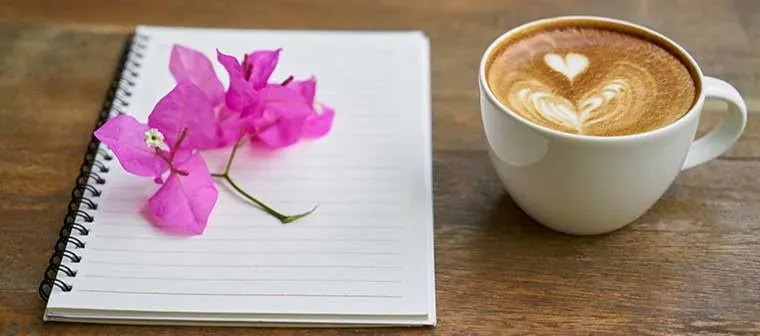
The main espresso drinks and how they differ.
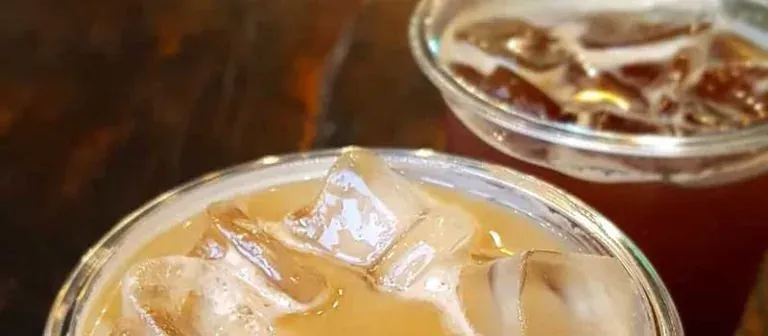
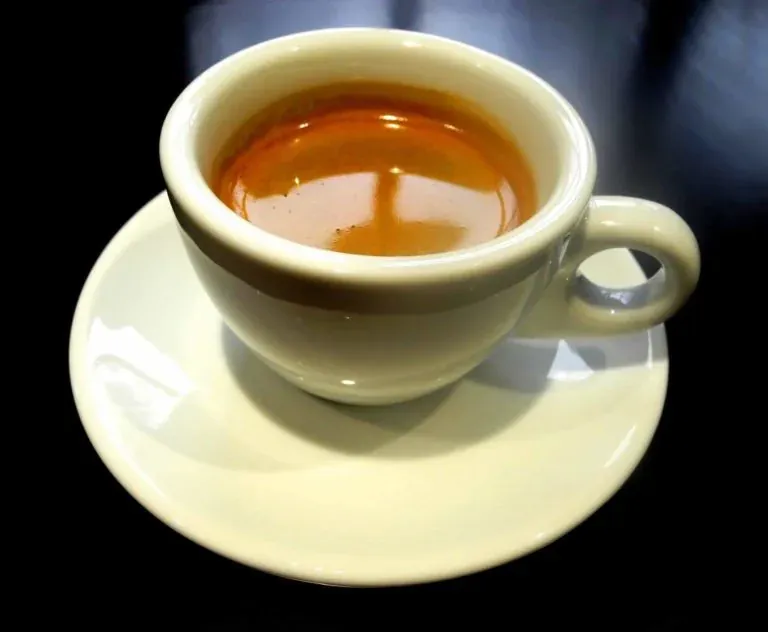
What a lungo is and how it differs from espresso.
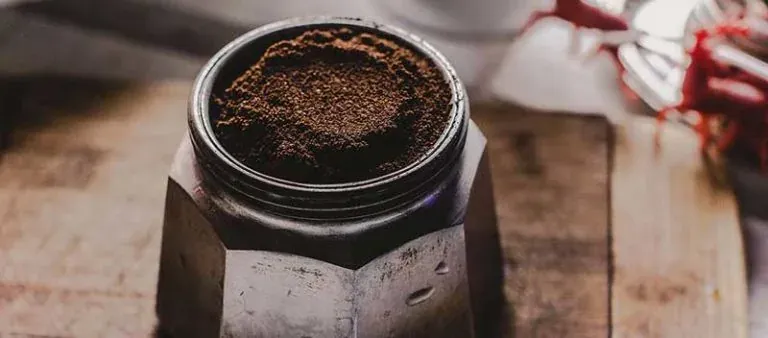
What it is, how to make it and how to bake with it.
How brewing, taste and strength differ.