What do coffee beans taste like?
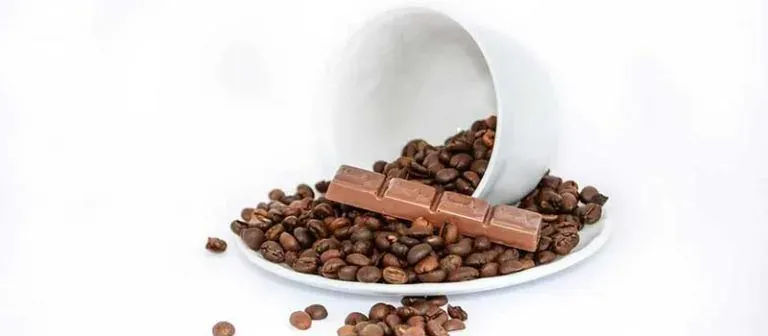
Bitter, roasty and crunchy. The USDA’s specification for chocolate-covered beans describes a slightly bitter roasted flavor and a crunchy texture. Chocolate adds sweetness around that coffee center; the bean still supplies the bite.
How much caffeine is in a coffee bean?
About 12 mg per piece for the dark-chocolate-coated coffee beans in the USDA’s reference entry. That entry lists 839 mg per 100 g and a 40 g serving of 28 pieces with 336 mg. Dividing the serving’s caffeine by its piece count gives the per-piece estimate.
| Amount (USDA reference food) | Caffeine |
|---|---|
| 1 piece (calculated from the listed serving) | 12 mg |
| 10 pieces (same calculation) | 120 mg |
| 28 pieces / 40 g (listed reference serving) | 336 mg |
| 1 ounce (28.35 g, calculated by weight) | 240 mg |
| 100 g | 839 mg |
The USDA’s milk-chocolate-coated reference food lists 800 mg per 100 g. Neither coated-food figure tells you the caffeine in a plain bean. For a packaged snack, use its caffeine-per-serving information when available; bean size and the amount of coating vary.
How many coffee beans are too many?
The USDA reference serving of 28 chocolate-covered pieces contains 336 mg—before any coffee, tea or soda you drink that day. For most adults, the FDA cites 400 mg of caffeine a day as an amount not generally associated with negative effects. That is guidance for total caffeine intake, not a recommended portion of beans.
Sensitivity varies. The FDA lists insomnia, jitters, a faster heart rate and an upset stomach among signs of too much caffeine.
Can you eat raw green coffee beans?
For snacking, choose roasted beans. Raw green beans are harder and lack the familiar roasted flavor; research on roasting describes how heating makes the bean more brittle. They contain caffeine too, but raw beans are not a substitute for the roasted beans in the chocolate preparation below.
How do you make chocolate-covered coffee beans?
You need roasted coffee beans, chocolate suitable for melting, parchment paper, a dry bowl and a fork. Choose beans sold for food use and follow the chocolate’s melting directions.
- Melt the chocolate according to its package directions.
- Stir in enough roasted beans to coat them with the melted chocolate.
- Lift the coated beans out with a fork, letting surplus chocolate drip back into the bowl.
- Place them separately on parchment paper and let the coating set completely.
Keep the finished beans in an airtight container in a cool, dry place, following the ingredients’ storage directions. The caffeine per piece depends on the bean and how much chocolate surrounds it.
Can you eat coffee grounds?
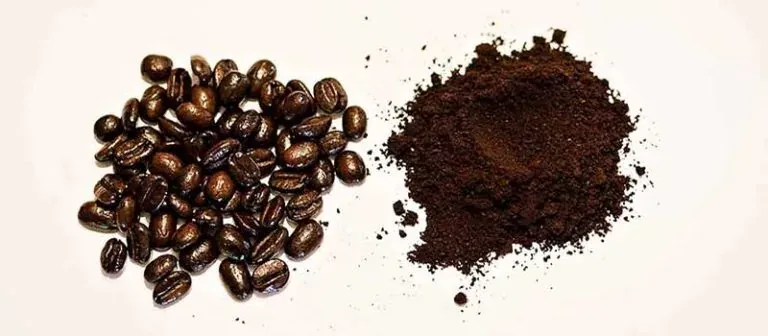
Yes, ground roasted coffee can be used as a food ingredient. For cooking, choose a recipe written for ground coffee: grounds add texture as well as coffee flavor, so they are not a direct swap for a recipe’s liquid coffee. The coffee-grinding guide explains grind sizes.
What does the evidence not show?
Claims that eating coffee beans burns fat, improves memory or protects your health go beyond the USDA food data linked here. Those records describe food composition, not health outcomes.
Why should coffee be kept away from pets?
The ASPCA warns that chocolate, coffee and caffeine are toxic to pets and can cause vomiting, tremors, seizures and even death. Keep beans, chocolate-covered beans and used grounds out of reach. If your pet eats any, call your veterinarian or ASPCA Poison Control at (888) 426-4435.
Sources
- USDA Agricultural Marketing Service: Candy and Chocolate Confections, A-A-20177G, section 6.4.4.2.2 (PDF). Published November 14, 2025; checked October 27, 2026.
- USDA Agricultural Research Service: Standard Reference Release 28, NDB 19268, dark-chocolate-coated coffee beans (PDF), and NDB 19279, milk-chocolate-coated coffee beans (PDF). Historical 2015 data; checked October 27, 2026. Per-piece and weight-based examples are calculated from the reference entry, not measurements of other brands.
- FDA: Spilling the Beans—How Much Caffeine Is Too Much?. Checked October 27, 2026.
- National Library of Medicine, MedlinePlus: Caffeine. Checked October 27, 2026.
- Thermal Contaminants in Coffee Induced by Roasting: A Review, section 3.4. Published 2023; roasting description checked October 27, 2026.
- ASPCA: People Foods to Avoid Feeding Your Pets. Checked October 27, 2026.